
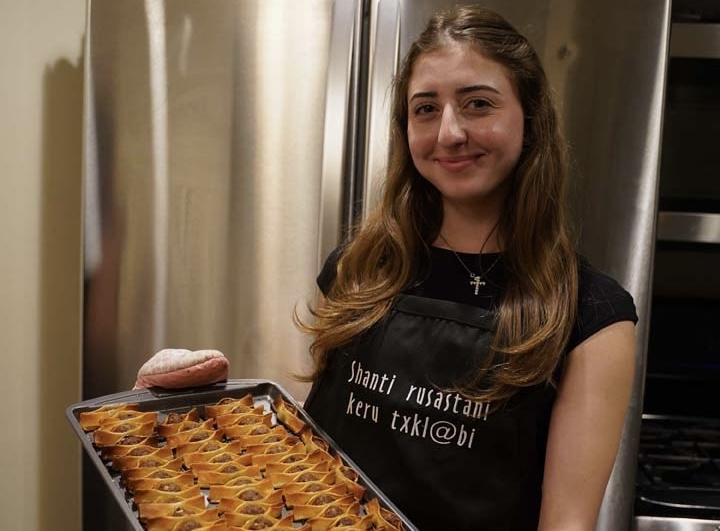
Senior Kristina Urfalyan holds a tray of Manti, which is a staple Armenian dish. Photos by Melissa Houston
Culture, location, people — these elements all shape individuals as they grow up. Food is a big part of that.
Food, whether making it or sharing it with others, has the ability to bring people together. Certain dishes enable people to close the gap between cultures to foster community and build a home.
“Food is a great way to bring people from different backgrounds together because everyone enjoys it, can share ideas and hold interesting conversations together,” Rabbi Sholom Eagle said.
Different Kinds of Recipes
Many people have certain family or traditional recipes that have been passed down over generations. Those recipes represent their culture and hold great memories.
“Soto Ayam is a famous Indonesian soup that my mom makes,” first-year Marissa Viegas said. “It’s one of the most famous traditional soups made in Indonesia.”
Viegas said people can make Soto Ayam differently according to how they were taught. Viegas’s mom learned it from her mother in Indonesia.
Senior Kristina Urfalyan grew up with Manti, a traditional Armenian dish.
“My mom taught me how to make Manti and her mother taught her,” Urfalyan said. “Manti is an Armenian version of a dumpling and it’s a staple in my household.”
Urfalyan said making Manti is simple to do and that in order to make it, someone would first start with onion paste, sour cream and red pepper, before mixing it in and starting to assemble the wontons.
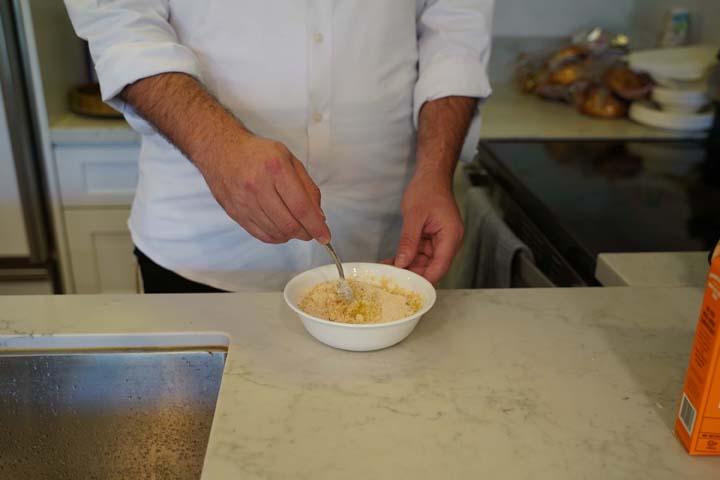
Rabbi Sholom Eagle prepares the food for a traditional Shabbat dinner.
In Jewish culture, there are certain staple foods that appear at every Shabbat — or Jewish sabbath — dinner, Eagle said. One food that is a staple at every dinner is the Challah bread.
There are two loaves of bread served at Shabbat on both Friday night and Saturday to symbolize how the Israelites received Manna from heaven in the desert and were given a double portion on Friday, Eagle said. This was so the Israelites could honor the day of rest on Saturday.
“As symbolism for that, we make a special blessing over two of the breads at each Shabbat dinner,” Eagle said. “My wife makes the bread fresh every Friday, and it’s definitely one of the highlights of the meal.”
More Than Just a Recipe
Recipes are often more than just a piece of paper. Oftentimes, they hold much deeper meaning and offer the ability to connect across different cultures.
“I’ve been making it [Manti] since I can remember,” Urfalyan said.
Her mom taught her how to make Manti and making it came naturally, Urfalyan said. She formed an attachment to it because of how much it means to her when her family comes together to eat it.
“When my mom was showing me, it was as if I was the one who was kind of leading,” Urfalyan said. “I’m very particular when it comes to cooking because I like things looking a certain way, but my mom’s way is more speed rather than what it looks like. I went very slow in learning how to master forming the Manti, but now I do it extremely quickly and extremely neat.”
Eagle said he is sure a lot of families have a Challah recipe that has been passed down. His wife has a box of recipe cards from her grandmother for various holidays.
Viegas said Soto Ayam has been a part of her family history for a long time and she always had it growing up.
“Even though I have actually never made this [Soto Ayam] before, growing up and even now I would always peek in the kitchen and ask my mom questions of why she adds the certain ingredients that she does and try to learn,” Viegas said.
Viegas said she believes food is one of the major things people can connect over, especially thinking about her own family history and culture.
Urfalyan said she loves trying different foods and expanding her palate.
“I use that as a way to shift the way I cook because there’s specific food tendencies I have that aren’t Armenian, but I utilize them when I start cooking my own dishes,” Urfalyan said.
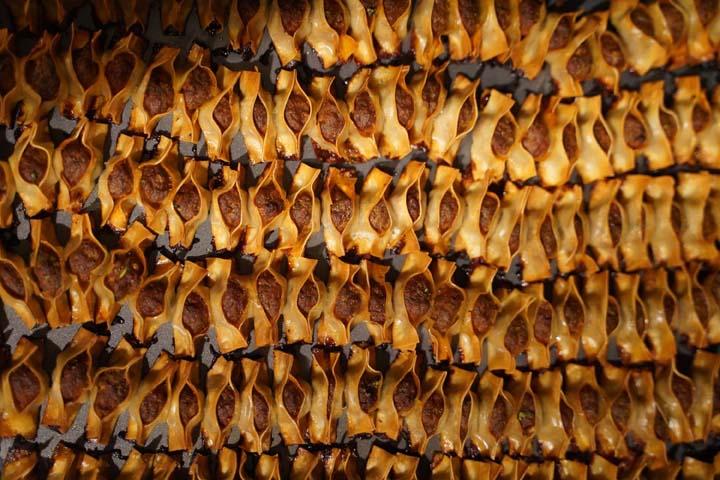
Urfaylan said she loves making Manti because it’s a way that her family can come together and connect.
Eagle said Shabbat is a great way to come together, enjoy a good home-cooked meal and connect with people.
“We’ve had people from all backgrounds join us at our Shabbat dinners and I really think if this were to happen more often, if people actually got to meet each other, it would take away a lot of the stereotypes or hesitation from connecting with someone from a different culture or different religion,” Eagle said.
___________________
Follow Currents Magazine on X: @PeppCurrents and Instagram: @currentsmagazine
Contact Alicia Dofelmier by email: alicia.dofelmier@pepperdine.edu