
One athlete relives the day when he learned he could never play the sport he loves again.
By Kyle Jorrey
Sports Editor
Tuesday Nov. 26 started like so many other days in Pepperdine junior Will Kimble’s life. He woke up in the morning, strapped on his shoes and went to play basketball.
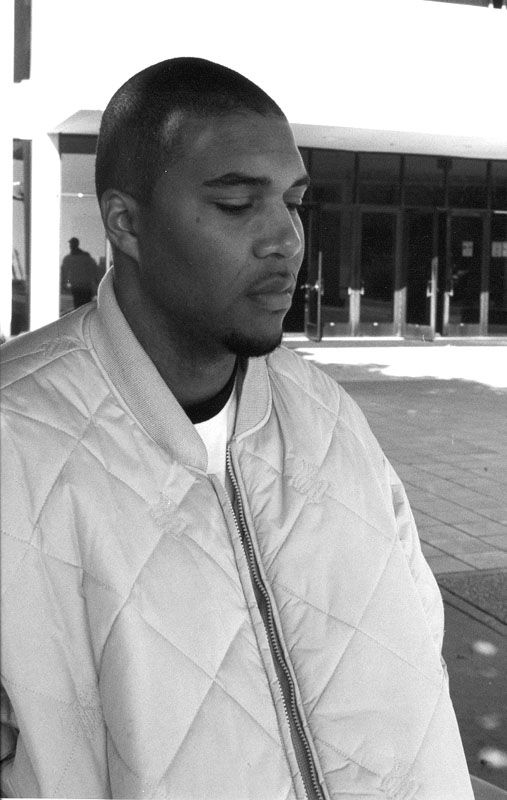 But Kimble doesn’t really “play” basketball, not in the sense of your average athlete, shooting and goofing around with his friends at the local park. Kimble “works” at basketball like an artisan does fine tuning his craft. Ever since he played his first organized game in seventh grade, the San Bernardino native has been preparing for a life of competitive basketball.
But that dream came face to face with reality just shortly into the team’s first drill that Tuesday morning, only three days before the Waves’ second game of the season.
“We went down and back and when we came back I was sitting on the end of the basket, and all of a sudden I felt dizzy,” Kimble remembered. “I put my head down thinking it would go away, and the next thing you know I was on the ground with people standing over me.”
Kimble left the floor and was taken into the trainer’s office. Not long after, the team’s doctor, Dr. Gary Green, recommended Kimble to go to UCLA Medical and receive an echocardiogram, a test that uses sound waves to create a picture of the heart.
Not long after the test was administered, Kimble received the kind of news no basketball player ever expects to hear.
“I had talked to this doctor for only five minutes, and he tells me you’ll probably never exercise again,” Kimble said. “At first it wasn’t registering, I said ‘I got to, I play ball, it’s not like I’m an old lady or something. I got to do that because that’s what I do.’ And he says ‘I’m sorry, but you’ll probably never play basketball again.’ ”
The test revealed a heart condition known as hypertrophic cardiomyopathy, which causes a thickening of the heart muscle, and puts the sufferer at risk of losing blood to the brain any time the heart beats too fast (see info box). It is the same condition that led to the 1990 death of All-American Loyola Marymount star Hank Gathers at the age of 23, just a short time before he was to enter the NBA.
Sitting alone in his hospital bed with monitors attached to his body, the news was too much for Kimble to bear. He got up, without permission, and escaped into the hallway to call his mother. After speaking with her, Kimble, still shaken from the experience, got into his car and headed back to Pepperdine.
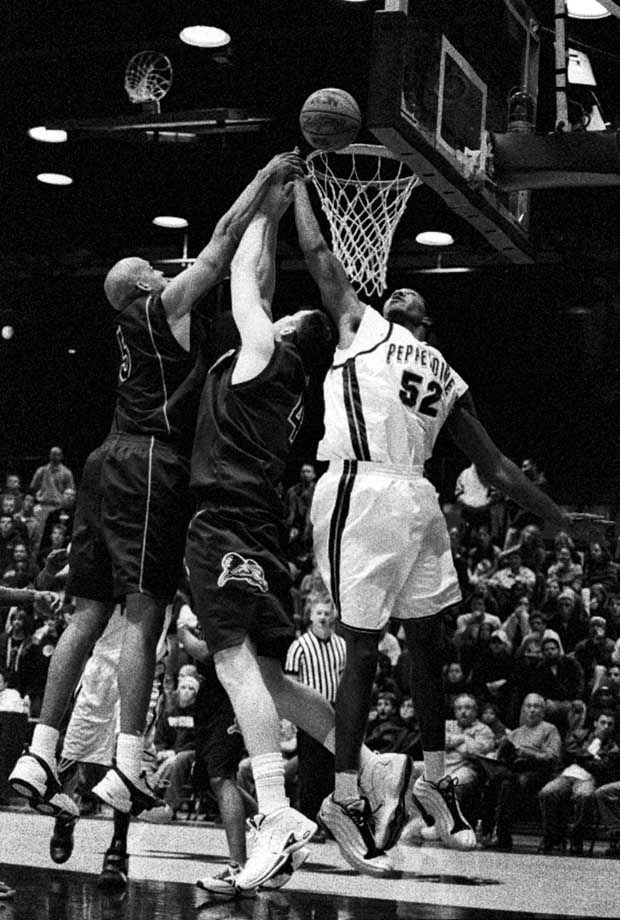 “It seemed like the longest drive ever, people kept trying to call me and see how my appointment went, but I wasn’t answering any calls,” Kimble said. “I could barely drive straight.
“I was just sitting there in tears driving home,” he said. “I started thinking about the things I’ve taken for granted all my life, and about all my teammates and how much they take for granted.”
Not prepared yet to face his team, Kimble wrote a short message on the board in the locker room and headed to his home in Calabasas. He was surprised later that night by his father, who had traveled against his son’s wishes through the night from San Bernardino to see him.
The next day Kimble arrived at practice and addressed his coaches and teammates in the locker room. It was one of the most difficult things he’s ever had to do.
In an atmosphere of disbelief and sadness, Kimble saw the people supporting him in that room not as teammates, but as friends.
“I told them the news and paused, and looked around the room and it really got serious,” Kimble said. “You could really see the love in the room, and it made me realize how much I meant to my teammates, and how much they meant to me.”
Sophomore Terrence Johnson was one of the six freshmen who came to Pepperdine at the same time as Kimble.
“It was a real sad day, because you never expect, especially with all of us coming in together, that something like that would happen,” Johnson said. “For so long, we all talked about how we couldn’t wait until we all got the chance to play together, and we finally get that opportunity, and then to take a blow like that it kind of hurt everyone, especially the ones that came in with him.”
Head Coach Paul Westphal, who was present at the time, said it was an emotional experience.
“It’s such a moving thing, because it’s so much more than just basketball,” Westphal said. “He’s a kid who I think was going to be all-conference … he was ready to explode and have his time, and so just having that taken away from him is a sad thing. But on the other hand, seeing how magnificently he has handled it is an inspiration.”
Since his accident in the gym, Kimble, who still comes to every practice and watches all the games, has been forced to come to some difficult realizations. But he is slowly coming to accept his uncertain future.
“It was tough at first, I couldn’t really deal with it,” he said. “If you knew me, you knew that everything I’ve gotten in life I’ve gotten because of hard work. I’ve never been the best player on the team, never had a lot of basketball wisdom … until this summer. This was supposed to be my breakout year.”
But with only a slight chance he’ll ever play the sport of basketball again, Kimble sees himself as lucky, not unfortunate.
“I could have died that day, and for some reason I got brought back, and I know there’s a reason,” Kimble said. “It’s just about me coming to grips with reality, and telling myself that I might not play basketball again. But it’s not the end of the world. I’m still here.”
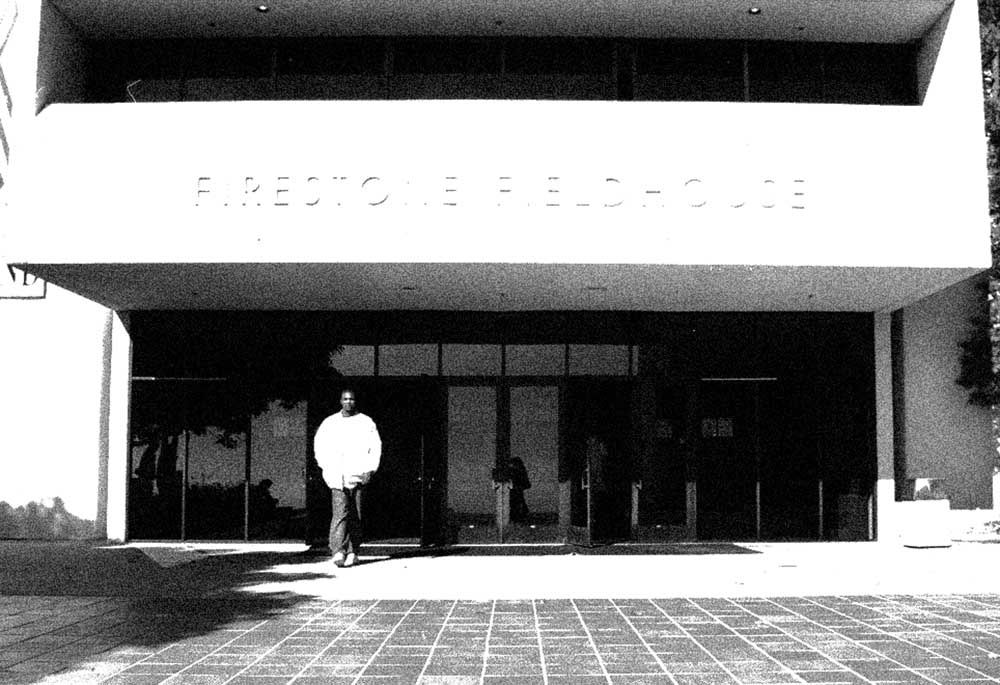 In the games following Kimble’s announcement, signs filled the Fieldhouse with words of support for the Waves’ fallen star. On campus, Kimble was approached by scores of students who wanted to express their sadness and show their support.
Kimble said all of the attention was a bit overwhelming.
“I never expected in a million years people would make signs for me,” Kimble said. “And all the people that come up and told me they were praying for me, you can’t get that anywhere else but at Pepperdine. The school has showed a lot of love, and I appreciate it.”
During Christmas break, Kimble was fitted with a difibulator that delivers a shock to the heart if it ever goes into arrhythmia, preventing another incident like the one that happened in the gym. Aside from not actually playing in games, Kimble continues to be an integral part of Pepperdine basketball, bringing encouragement, support and a little bit of humility to the team.
“I try to convince these guys not to take the things they have for granted, because I see myself in them,” Kimble said. “And when I see the little things they complain about sometimes, even if I don’t say it, I think of it in the back of my mind, ‘You’re lucky to still be playing.’”
January 16, 2003