
Sara Rosner
Staff Writer
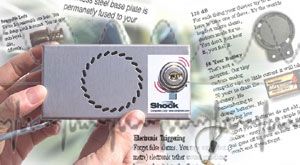
Beware to all techno-kleptos: Pepperdine is installing security devices in and around computer areas on campus. These locations include public areas such as the Payson Library and the Sandbar as well as computer labs and classrooms.
The installation project, which is being supervised by Information Technology and Public Safety, was initiated by community concerns late last year. Kathy Robings, the senior Director of Information Technology, said theft in these areas has increased.
“We’ve been experiencing a fairly high volume of theft … Things are disappearing out of classrooms.”
According to a report released by the FBI and the Computer Security Institute, computer theft is now second only to automobile theft in the country with more than 620,000 computers reported stolen in 2002.
The amount of stolen computers has more than doubled in the nation in the past four years, with more than 70 computers being stolen every hour.
Pepperdine has not been immune to the national trend. In March, more than $10,000 worth of parts were stolen from computers located in Cafe Fresca of the CCB. The 12 replacements for the gutted computers were then stolen before arriving at Pepperdine from a carrier truck last August. The terminals in Cafe Fresca are now equipped with sounding alarms that notify Public Safety whenever they are unplugged or tampered with.
Dr. Robert Chandler, chair of the Communication Division in the CCB, lauded the new security initiatives.
“I think security is a good idea,” he said. “It’s good stewardship.”
In addition to theft of computers and computer parts in public-use areas, burglary has also occurred in several of the classrooms especially in the theft of ceiling mounted projectors.
While Robings explained that security in all vulnerable areas is important, Information Technology is particularly concerned with classroom equipment. “Classrooms are definitely a high priority because we don’t want to impede the professor’s abilities to carry out classes,” Robings said. “It’s really the students that lose.”
While Robings declined to specify the exact types of the devices for security purposes, a variety of devices are being considered for installation.
“There may be a combination of security devices and different devices in different areas,” Robings said.
Although Information Technology is primarily concerned with university property, they also recommended that students look into protection for their own PCs. Options include both physical devices that can be attached to a computer and insurance policies.
While warranties are limited to covering manufacturer defects and internal mechanical failure, computer insurance protects owners against other common losses. SafeWare Inc., a leading company in computer insurance, offers policies that protect against theft, fire, power surges and natural disasters.
The campus computer store sells laptop locks, which are pins that lock into the computer and attaches it like an anchor to a desk or table.
According to Sales Coordinator Brook Cargill, the locks are relatively easy to use.
“They’re easy things for students to manage, and they’re really effective,” she said,
While the Robings was unable to disclose an exact date for the project’s implementation for security reasons, efforts are under way to finish the installation as soon as possible.
01-27-2005