
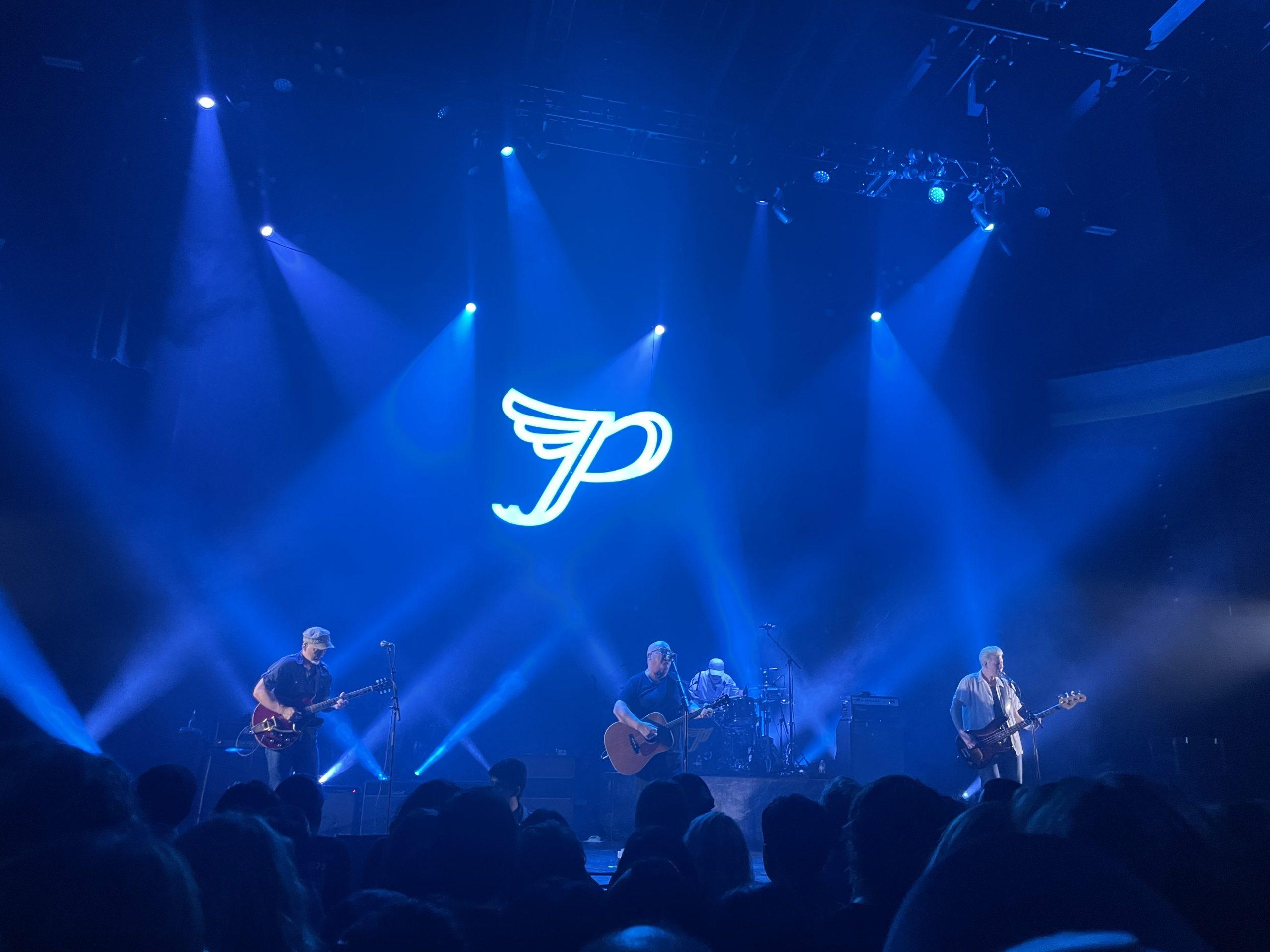
The Pixies — a relatively older band that is still appreciated by today’s youth — bring together a unique crowd of all ages June 2025. This was a performance of the song “Mercy Me,” a track that highlighted the band’s raw emotion and vulnerability. Photo by Jamiee Bowman
From Woodstock’s legendary display of rock, folk and blues to Coachella’s unique array of mainstream and indie artists, music festivals have become an integral part of the way individuals experience music.
Music festival culture heavily impacts the success of musicians across countless genres, as well as the ability of fans to wholly immerse themselves in the latest hits of their favorite artists, according to Obscure Sound.
“My first live music experience was a Teen Choice music festival,” first-year Romero Horowitz said. “It felt like a very enlightening space for youth to celebrate music and each other and life.”
The Industry
Observing the impact of music festivals on the industry and musicians themselves, these lively events can serve as a mechanism for many artists to gain exposure and reach new audiences, according to MDLBEAST.
First-year Taylor Wooten said that gaining a spot in festival lineups oftentimes serves as motivation for musicians across various genres.
“They give artists something to strive for — to be able to headline an event that so many other artists want to be a part of,” Wooten said.
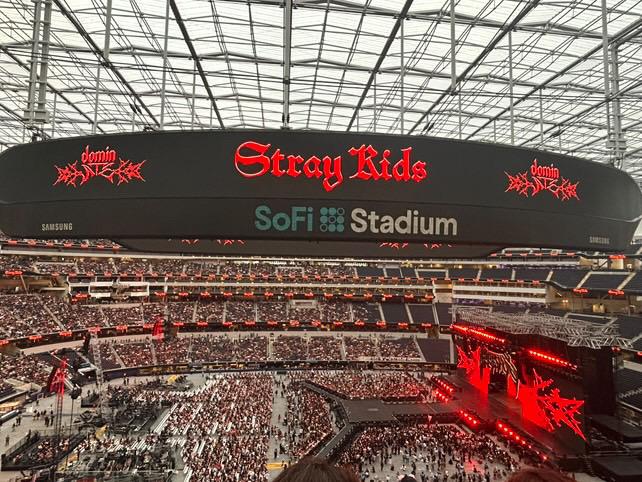
K-pop group Stray Kids headlines a music festival at Sofi Stadium on May 31. This was a big moment for fans of the genre, as the event showed proof of K-Pop’s growing popularity in the U.S. Photo courtesy of Taylor Wooten
A significant shift in the success of multiple economies has risen as a result of these music festivals. Local small businesses surrounding large scale events like Glastonbury and Coachella often see great benefit, according to MDLBEAST.
“It [music festivals] creates really big economic boosts in each of the towns they’re located in, because so many people are flying in and giving new business to the different restaurants and local hotels,” Wooten said.
However, concern around the industry persists in relation to the authenticity and moral intent surrounding these events, according to The Quietus.
Maximizing profit and appealing to the mainstream sound is a factor Horowitz said heavily characterizes music festivals.
“There’s a lot of corporate greed that goes into music festivals and that impacts the typical person that would want to interact in that space,” Horowitz said.
The Experience
Experiencing the phenomenon of live music, while surrounded by those who share the same passion, creates a truly surreal experience for listeners. It is certainly a major shift from merely consuming musical media through headphones, according to L-Acoustics.
“Being able to physically meet other people that are interested in the same things as you, that community is really important and really fun,” Wooten said.
Similarly, Horowitz said that music festivals tend to increase interest and a sense of loyalty among fandoms.
“It’s a way for fans to interact with artists on an intimate level and be able to discover new genres of music,” Horowitz said.
Creating a space that centers the unifying aspect of music is especially important because many individuals turn to music as a way to engage in social-relatedness, according to The National Library of Medicine.
“I like listening to music because it makes me feel understood,” first-year Neshan Kevonian said. “It’s like an expression of experience.”
The Legacy
Woodstock ‘99 is historically known as a culturally defining moment in music, however the experience was highly characterized by a lack of concern for the welfare of attendees, according to History.
Horowitz said that safety at such events is a concern that persists even today.
“One of the biggest issues I’ve had with music festivals is safety,” Horowitz said. “Before going to future festivals I want to see better gun reforms and better checking of substances to ensure that myself and others have a safe experience.”
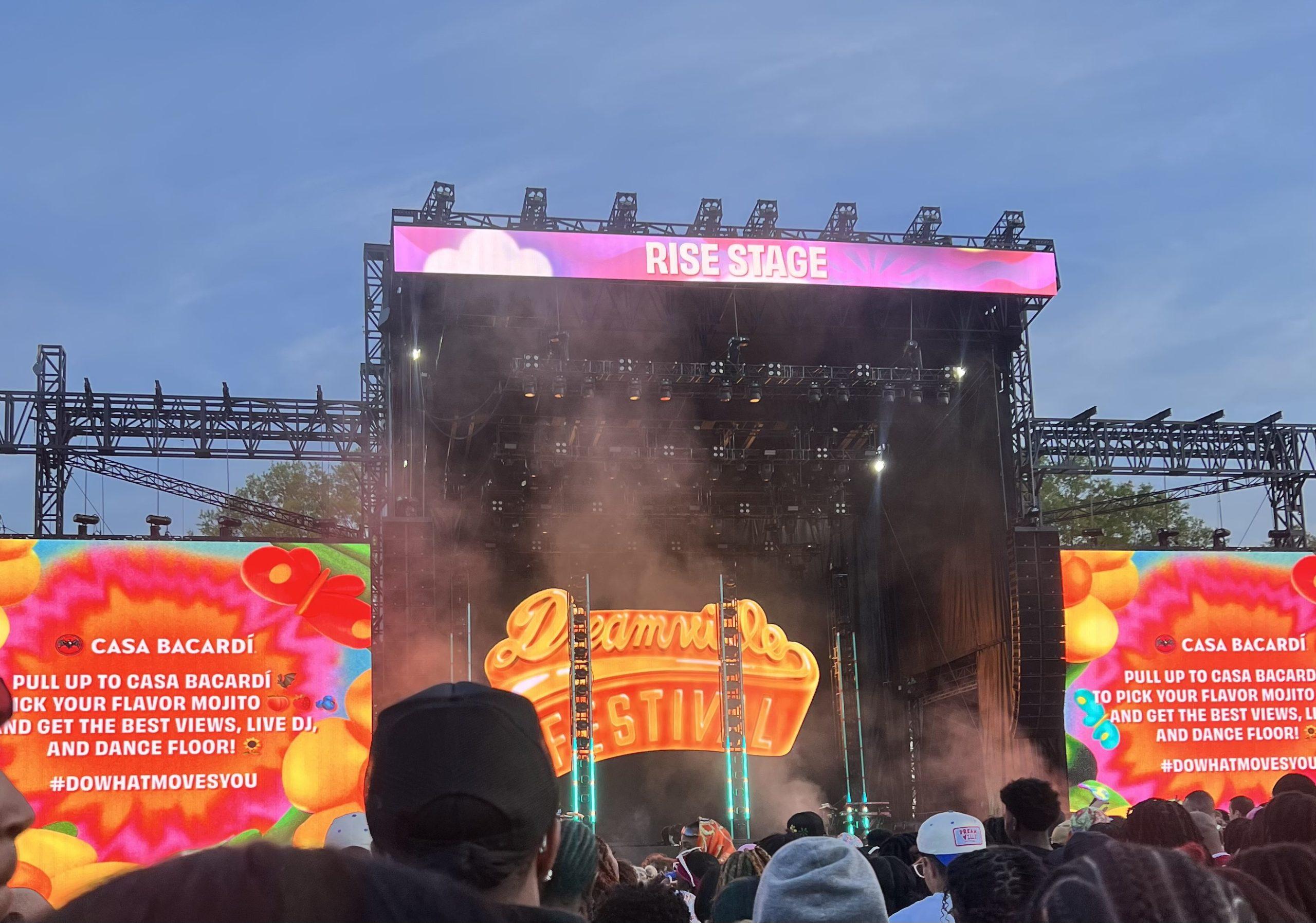
The Dreamville Festival in 2024, moments before performer J. Cole takes the stage. This event generated a politically sound environment, because of its focus on hip-pop, rap and R&B music. Photo courtesy of Genevieve Cantu
On a more positive note, the legacy of music festival culture can be attributed to their relatively political nature, according to OFFKEY.
“Music festivals interact with humanity in the sense of giving people hope,” Horowitz said.
________________
Follow the Graphic on X: @PeppGraphic
Contact Jamiee Bowman via email: jamiee.bowman@pepperdine.edu