
Transparency Item: The Perspectives section of the Graphic is comprised of articles based on opinion. This is the opinion and perspective of the writer.
The first year of college often feels like walking into a system with unwritten rules. Lecture halls are bigger, expectations are higher and suddenly every course feels unfamiliar.
Unlike high school, where students get assigned specific classes and teachers, college first-years register for classes knowing little more than a professor’s name and a course title.
This information gap can be overwhelming. Academic success depends not only on what is taught, but also on how and who it is taught by — something rarely captured in official course catalogs.
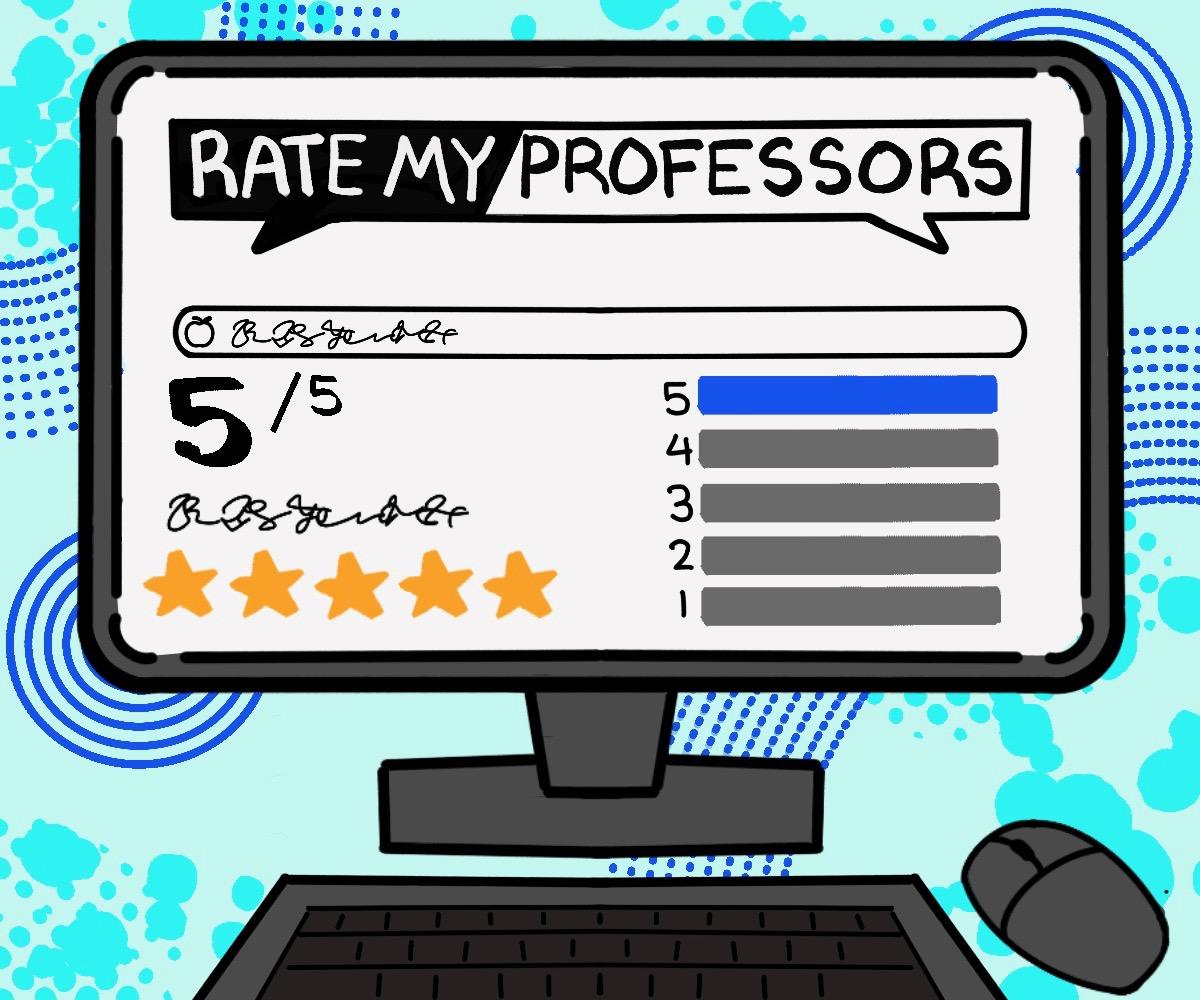
This is where Rate My Professors (RMP) becomes especially useful.
For first-years, the platform offers a starting point in a situation that would otherwise feel like guesswork. Reviews often describe classroom atmosphere, clarity of instruction, workload pacing and grading style.
These details help students imagine what a semester might realistically feel like, which is critical for students still adjusting to college-level expectations.
Not every review tells the full story.
Emotions can run high in academic settings, and sometimes a single negative experience turns into an overly harsh post.
This is where common sense plays an important role.
RMP reviews don’t automatically define a professor’s overall teaching ability.
Looking at patterns rather than isolated comments makes a difference. When the majority of reviews consistently describe a professor as organized, supportive or engaging, that trend carries more weight than one emotional outburst.
On the other hand, if many students mention the same recurring issues — unclear instructions, low volume or lack of communication — that pattern may be worth noting.
The value of RMP is not in treating every comment as the truth, but in recognizing collective trends. It functions less like a verdict and more like a collection of student perspectives which, when read thoughtfully, provides helpful context.
This website resembles digital word of mouth.
College isn’t just classes — it’s jobs, internships, clubs, social life and trying to stay mentally afloat. Choosing the right professor can genuinely shape how balanced or exhausting a semester feels.
That’s where RMP becomes practical, not just informational. Students aren’t only curious about who explains material well — they want to know workload intensity, flexibility with deadlines and whether a class is realistically manageable alongside everything else.
A professor who assigns surprise projects, gives unclear rubrics or responds slowly to emails can turn one course into a constant source of stress.
Reviews that mention fair grading, clear expectations and reasonable pacing signal a class where effort actually feels proportional to results.
This matters to students juggling multiple responsibilities who can’t afford to sink all their time into one unpredictable course.
In this way, RMP helps students build schedules that are challenging but sustainable — not just academically, but emotionally and mentally too.
For first-years navigating a brand-new world, even the smallest amount of insight can reduce uncertainty. Having a sense of what to expect in the classroom can ease anxiety and help students prepare for different teaching styles and workloads, knowing what teaching methods work for them and what don’t.
RMP serves as a modern form of shared student knowledge — imperfect, but often informative.
College will never come with a full instruction manual, but resources that offer peer insight help make the transition a little less intimidating and a lot more informed.
___________________
Follow the Graphic on X: @PeppGraphic
Contact Hana Wadlow via email: hana.wadlow@pepperdine.edu or by Instagram: @hana.wadlow