
Photos by Olivia Schneider
Senior Zayd Salahieh was raised in a multi-faith household, but Islam shaped his early spiritual life. His father’s Syrian and Turkish family lived within five minutes of his home, and their faith was his foundation. He fasted through two Ramadans and knew the prayers by heart.
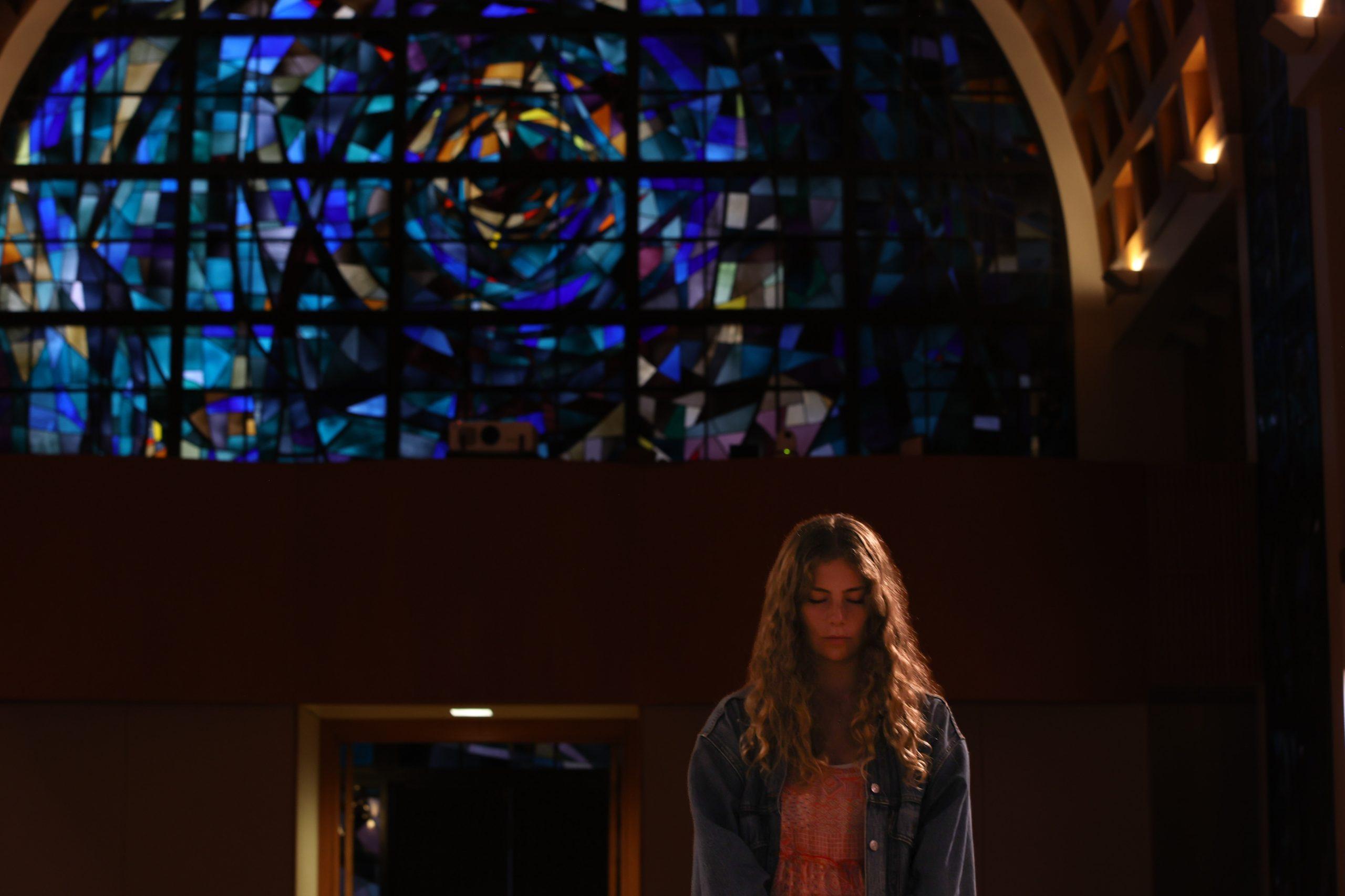
Raised Muslim, Salahieh found his way to Christianity after a campus community welcomed his questions. His story reflects a wider trend, as Gen Z, once isolated and searching for meaning, is leading a return to the Christian church.
Then, over winter break of last year, he prayed the Lord’s Prayer for the first time.
“As I was going to sleep, I had an encounter with Jesus,” Salahieh said. “He filled me with love that I’ve never really felt before. It was like a physical feeling throughout my whole body. And I woke up, and things literally just felt different.”
Months later, he was baptized into Christianity.
Salahieh’s story is unusual in its details. The Institute for Social Policy and Understanding estimates that only about 6% of American Christian converts come from a Muslim background.
However, the arc of Salahieh’s story is increasingly familiar. Across the country, Gen Z, people born between 1997 and 2012, is bending a decades-long slide away from organized religion and leading the way back.

A Pew Research survey found that the number of adults in the United States who identified as Christian declined from 78% in 2007 to 62% in 2024. That decline has stalled over the past five years, and data shows Gen Z now attends church an average of 1.9 times per month, nearly double the rate of Gen Z in 2020.
These statistics put the generation ahead of Millennials, Gen X and Boomers for current, in-person church attendance.
But for Salahieh, the shift began not with a statistic but with a community.
Arriving at Pepperdine, Salahieh said he was surprised by what he called a “relational experience with God” — a way of talking about faith he had rarely encountered in Islam. Curiosity turned into conversation, which then turned into study.
Salahieh read the Gospels straight through: Matthew, Mark, Luke and John. When he finished the Sermon on the Mount, he paused.
“This is easily the most interesting piece of writing I’ve ever come across in my life,” Salahieh said.
After finishing the Gospels, Salahieh picked up C.S. Lewis’ “Mere Christianity.” He sat outside with a friend and asked him how to pray aloud for the first time. Later, he started attending Table Church in Malibu and noticed something about the community around him.
“All of these people seem to be very happy and thriving, even though some of them are going through very personal life issues,” Salahieh said.
That observation — the sense that Christians appear to carry weight differently than the culture around them — echoes across the Gen Z conversation about faith.

Michael Sugimoto, 2025 Pepperdine alum and founder of The Young Right, said his generation is returning to church because they have run out of alternatives.
“Gen Z is returning to Jesus because they’ve realized that Jesus is their only hope,” Sugimoto said. “For so long, they’ve been told that their hope can be in other things — in politics, in education, in self-serving things — but they realize those things will never satisfy or fill that hole inside of them.”
Sugimoto pointed to the isolation of the COVID-19 pandemic as a catalyst. His generation spent formative years indoors, cut off from the physical presence of others, and they emerged with a sharper appetite for community.
“The church is so important as a place not only to be with other Christians, but to be with the body of Christ,” Sugimoto said. “The Lord calls us to live life with the body, and we can’t do that if we are isolated and alone.”
Recent research confirms Sugimoto’s claims. Americans under 30 report feeling isolated far more often than those over 65 and are significantly more likely to sustain friendships through texting or social media rather than in person, according to The Christian Science Monitor.
Gabriel De Simone, Faith First chair at The Young Right, said Gen Z’s growth reflects a broader disillusionment with what smartphones and social media promised his peers.
“Gen Z is consistently the loneliest, most isolated and anxious generation than any of the previous generations before us,” De Simone said. “They’re realizing that the loneliness, anxiety and longing for purpose and truth are not found in the things of the world.”
De Simone said the appeal of Christianity, for peers who have chased fulfillment elsewhere, comes down to a single message.
“In every other religion, they teach you have to do x, y, and z to go to heaven,” De Simone said. “But in Christianity, Jesus already did x, y, and z because he loved you. That floored me. There’s a God of the universe that sees me and chose to freely die for me.”
De Simone’s experience reflects a broader trend among young Christians who say faith offers an alternative to a culture that emphasizes achievement and self-reliance. Sugimoto framed the same idea in other terms.
“We live in a very performance-driven world where the world tells us that we’re only as valuable as our achievements, our appearance, our success,” Sugimoto said. “Christianity is completely countercultural and says that your worth isn’t earned, it’s given by Jesus Christ.”
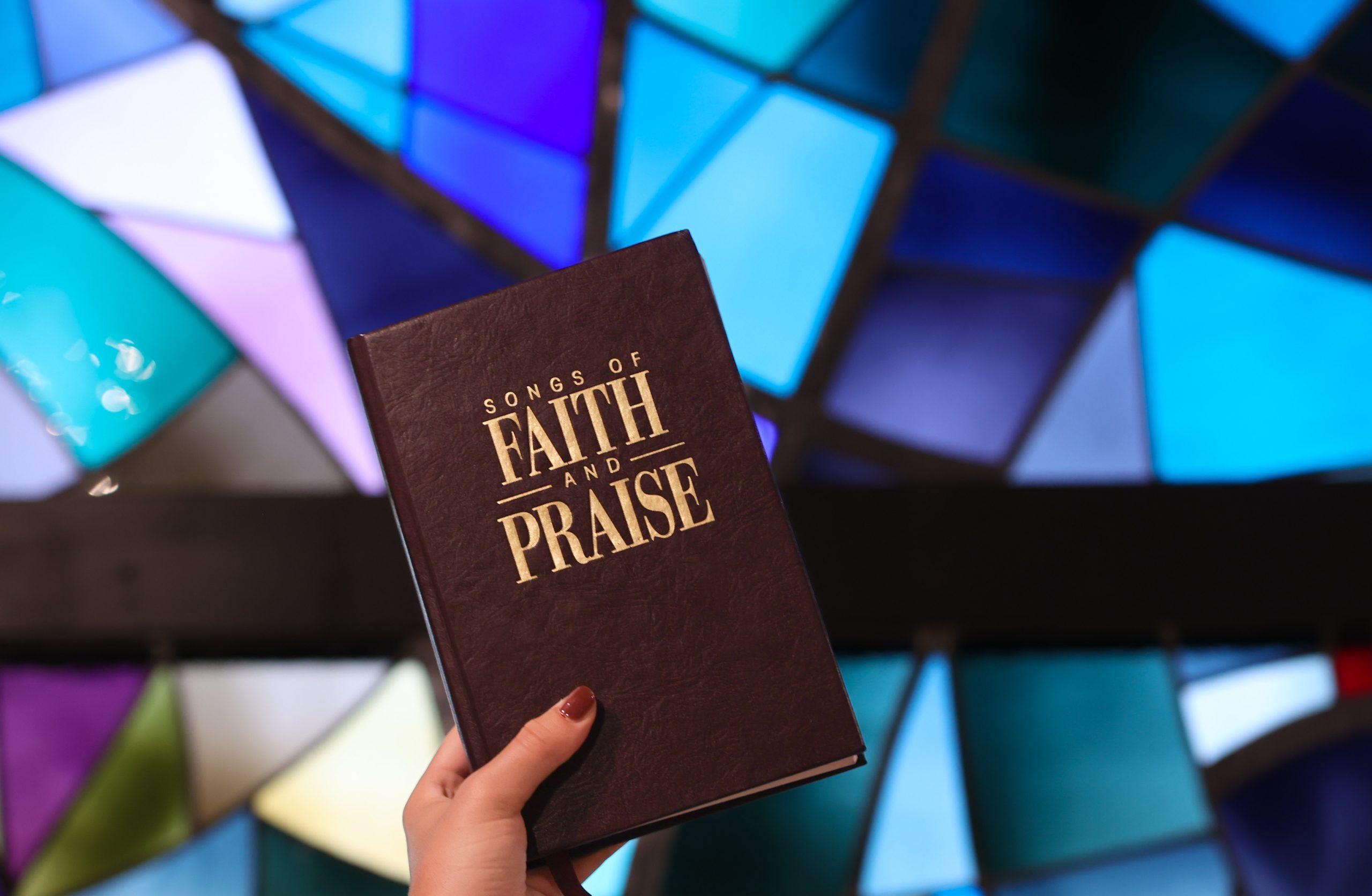
For Pepperdine students, that message is reinforced by the University’s faith-based environment. Salahieh said the University’s grounding in faith gave him access to older mentors, professors and roommates willing to walk beside him during his transition.
“Pepperdine is grounded in faith, which makes it honestly the best environment, especially at this age,” Salahieh said. “I’m surrounded by so many people that have been part of this their whole life.”
That intergenerational element is part of what draws young people in, said Ronald Highfield, a professor of Religion at Pepperdine who has taught for almost four decades. Rather than treating Gen Z as a puzzle, he said he tries to focus on the common threads among generations.
“Instead of chasing a generation and saying, ‘Oh, what does Gen Z want?’ let’s say, ‘What do humans need?’” Highfield said.
Highfield said tradition appeals to humankind because “tradition is always addressing those perennial human needs.” He said those needs include experiences of love, mortality, illness and loss. He said this is where he aims his teaching, and that each generation of students he has taught responds to it.
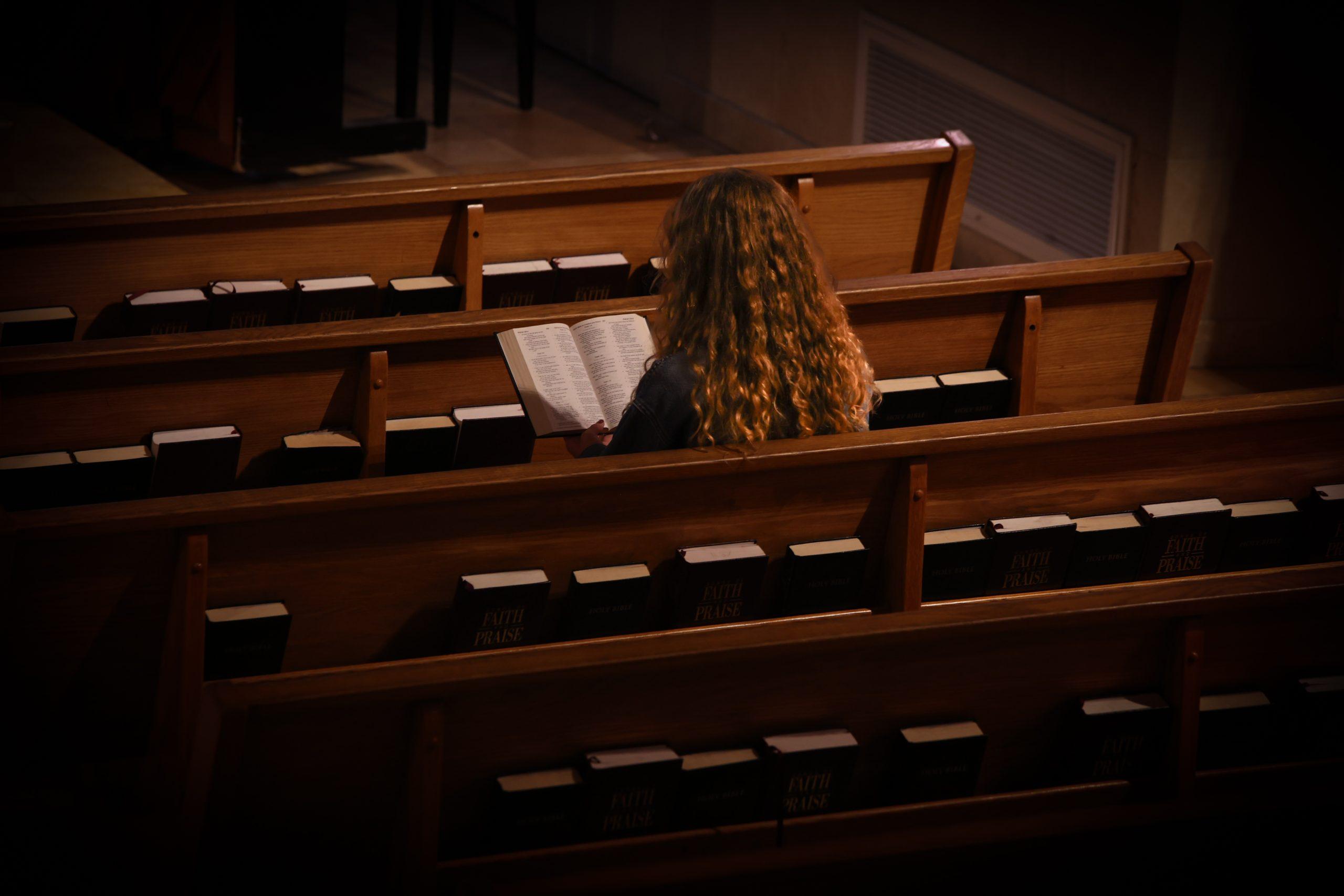
For students without a Christian community nearby, Salahieh’s advice was practical: read. He pointed to books, online resources and worship music as entry points before setting foot in a church.
He is careful, though, to warn against treating conversion as an ending.
“Something I’ve been trying to avoid in my faith journey is spiritual plateauing,” Salahieh said. “It’s not always going to feel like fireworks. Some days you might wake up and not feel like going to church. It’s a journey, and it’s a relationship with Christ. It requires action on our part, too.”
The next step, Salahieh said, is service. On Sundays after church, he plans to hand out sandwiches to the unhoused community in local parks through a program his church calls “Sammy Sundays.”
“Being part of a bigger move in hopefully helping bring heaven down here on Earth for other people is my biggest goal,” Salahieh said.
It is the kind of goal that would have been hard to imagine two years ago when Salahieh was still praying in a tradition he was raised in but did not yet feel called to.
A generation that felt isolated is finding people to walk beside them. For Salahieh, that began with one prayer and a campus full of believers.
This story was copy edited by Lila Rendel.
__________________
Follow the Graphic on X: @PeppGraphic
Contact Sophia Markle via email: sophia.markle@pepperdine.edu