
Transparency Item: The Perspectives section of the Graphic is comprised of articles based on opinion. This is the opinion and perspective of the writer.
In a world where artificial intelligence (AI) can generate music, art and entire videos in seconds, it is becoming easier to stay home and scroll. But no AI-generated video can build the same sensation, presence and energy a live performance can.
Many of us rely on AI to help make sense of academic studies or to get straightforward answers to basic questions.
Coming from a bilingual background, I value developments that improve communication across different communities.
As a journalist, I rely on AI-powered applications like Otter.ai to transcribe my interviews and establish timeliness and accuracy. Google is now using its AI model, Gemini, to improve text and live speech translation, according to The Keyword.
AI has developed beyond a simple search tool and is increasingly used for content creation, animation and advertising. Personalized algorithms determine how content is distributed and consumed.
While AI can simulate creativity through code, a dancer’s movement, a musician’s vocals and an actor’s pause between lines are uncoded creative human moments that cannot be replicated.
As AI expands into creative fields, it now also shapes the imagery and messaging of major brands.
As part of its campaign for the new Devain Handbag, Valentino released AI-generated ads to showcase the bag. One of the ads displayed the bag transforming through kaleidoscopic geometries, according to Valentino’s Instagram post.
Regardless of the intention behind the ad, the feedback demonstrated the followers’ demand for real people and real action, even if it was witnessed through a screen. One of the comments under Valentino’s Instagram post of the ad read, “Advertising campaigns are an opportunity to put talented creatives centre stage. AI in this instance is lazy at best,” according to BBC.
Not all AI users approach AI with discernment and purpose.
As AI floods screens with endless images and videos, the results can feel repetitive and hollow, fostering a kind of desensitization that blurs the distinction between human-made and AI-generated work.
Desensitization is the psychological process of becoming insensitive or nonreactive to a sensitizing agent, according to Merriam-Webster. Live performances resist this desensitization because they cannot be replayed endlessly or consumed passively.
Free AI apps such as Sora, which transform prompts and images into videos, provide instant content at the click of a button. The exhaustive use of these apps that lack human creativity deters people from having emotional and transformative experiences and further contributes to the desensitization caused by AI.
Desensitization has become increasingly normalized through the obsessive consumption of this kind of content. AI-powered content aims to heighten addictive behaviors and compromise decision-making abilities, according to research published in the National Library of Medicine.
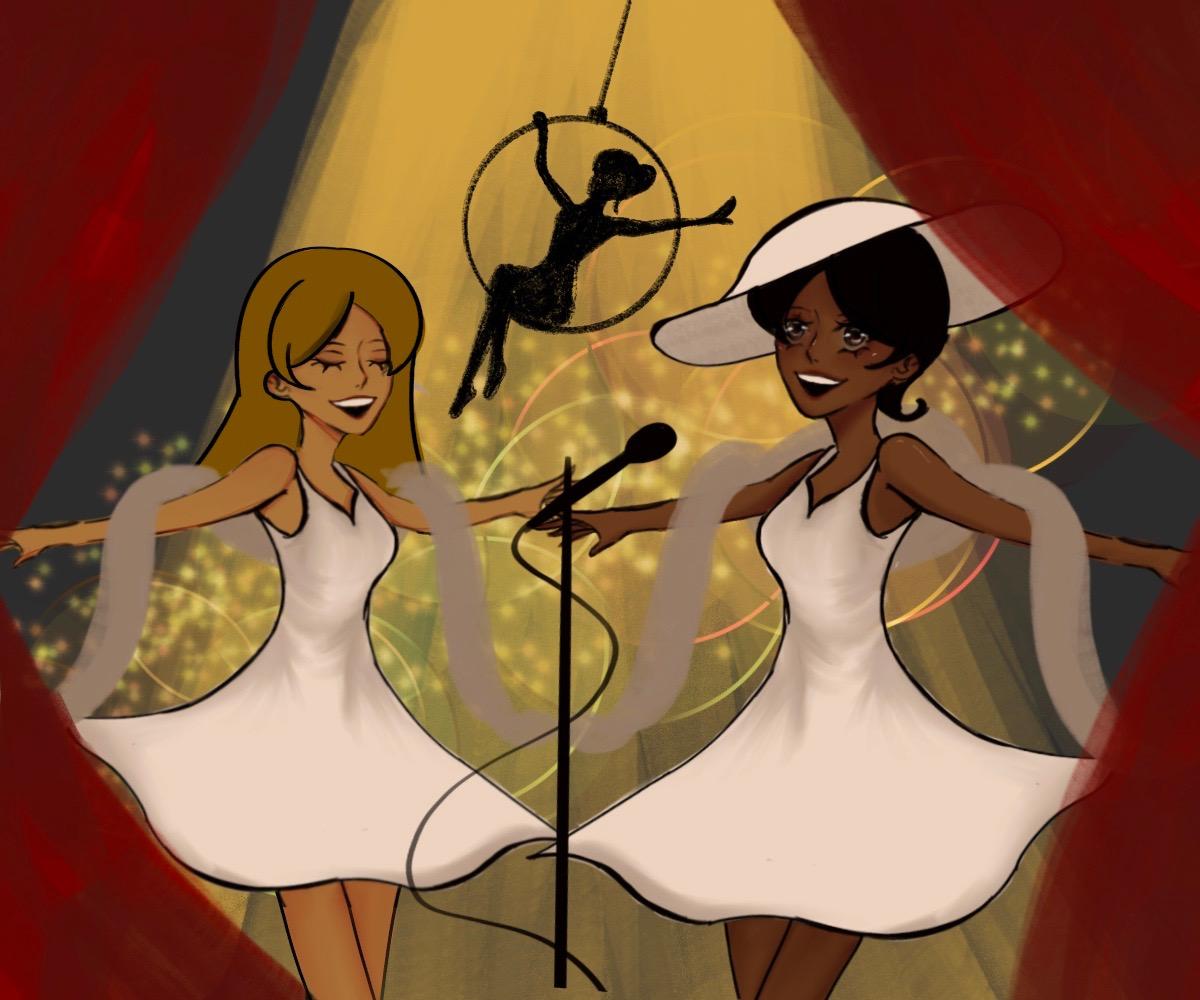
There are spaces to escape from the scroll, like theaters, concert halls and cultural stages where art lives and breathes in real time. In these spaces, storytelling is not algorithmically delivered — it is embodied.
Performing arts are live forms of storytelling highlighting the presence of an author. As an avid traveler, I make an effort to attend performances of cultural dances, songs and plays.
In Armenia, I attended a play focused on the capital city of Yerevan. The play included touches of comedy and music but effectively explored the rich history, identity and resilience of the ancient city.
Not only did the story of the play revolve around deep history and culture, it also created an emotional experience between the performers and the audience — something AI cannot replicate.
In Jamaica, I watched a band’s live instrumental performance where the music and energy of the performers filled the atmosphere. Each member of the band played their instrument so uniquely, everyone had a moment in the spotlight.
The music was loud, unpredictable, demanding of attention and beautiful. It was a perfect homage to the time I was having in Jamaica.
In London, I made a habit of spending my evenings in the hotel lounge, listening to jazz singers perform live.
One song I remember being covered beautifully was “Killing Me Softly With His Song” by Lori Lieberman. Little did I know I would be hearing the song repeatedly throughout different parts of my trip and become reminded of the performance.
Performative arts are memorable for the emotions they evoke and how their stories resonate with particular moments in a person’s life. They make me excited about the evolving creativity of the world.
AI’s prioritization of convenience gives us content instantly and without effort. Live performances require physical, mental and emotional presence.
The effort of dressing up, driving and showing up to a performance is sometimes dreaded. But that very effort is what makes the experience meaningful.
The anticipation builds as the lights dim. The shared silence before a curtain rises cannot be paused or skipped. Performative arts demand full attention.
That inconvenience becomes part of the experience. It transforms art from something passively consumed into something actively participated in.
The altered schedules, steps into theaters, concert halls or cultural venues, show that the experience matters. And because it requires time, presence and vulnerability, the experience gives more back in return.
Opportunities to experience art in live form are all around.
Music, theater or dance performances are available through the Center for the Arts at Pepperdine. Student filmmakers debut their work at the ReelStories Film Festival. Audiences can laugh along with the spontaneity of the Pepperdine Improv Troupe.
Performing arts events ask and allow for presence outside of the classroom, dorm or library. Movement and storytelling also come alive through Dance in Flight.
Just beyond campus, spaces like Broad Stage in Santa Monica or the Walt Disney Concert Hall in Los Angeles offer performances that remind audiences why live art endures.
If AI continues to expand into every corner of daily digital lives, then choosing to show up for live art becomes an intentional act. It is a way of preserving sensitivity to effort and emotion.
________________
Follow the Graphic on X: @PeppGraphic
Contact Ellya Asatryan via email: ellya.asatryan@pepperdine.edu