 An opinion column published in the Oct. 25 issue of the Graphic, “Racy Halloween costumes could attract unsafe attention,” has drawn widespread criticism for its choice of language and called our staff to consider the importance of word choice in conveying intended meaning.
The article, written by a staff writer, argues that racy Halloween costumes could be unsafe for women because they may attract negative attention.
Critics have pointed to the phrases “begging disaster to strike” and “keep some strong men around you who you know and trust to ward off unwanted admirers” as evidence that the author is perpetuating an attitude that condones victim-blaming in the instance of sexual assault.
The Graphic staff regrets that many students, faculty and alumni are upset with the article, and in hindsight, we would have removed the phrases.
Ultimately, the author failed to choose language that accurately reflects her views. However, the author has stated that she had no intention of trivializing rape or perpetuating victim-blaming.
In fact, McLaughlin said she had no intention of alluding to rape or any form of sexual assault, but instead intended to offer advice to girls who wanted to avoid undesired attention – advances, and nothing more – on Halloween. While the language used in her article may have failed to convey her intended message, her intention was well meaning and far from malicious.
The staff apologizes for the errors in judgment that occurred during the editorial process. The Graphic has a tiered editorial structure, under which a submitted article undergoes editing by the section editor, copyeditors, senior editors and our advisers. All read the article before it was published and all felt it merited a place in our publication.
At each stage in this process, someone paused and questioned whether the article’s language was inherently offensive; ultimately deciding that victim blaming was not the author’s intent.
In retrospect, the staff admits that some of the statements in the column should have been edited more carefully, and this was an oversight on our part.
We recognize the offensive implications of the language used, in particular the use of the statement “begging for disaster to strike.” The criticisms leveled toward the column’s use of the statement are valid.
At the same time, we encourage our readers to critically construct arguments rather than add on to a snowball of criticism. Rape, though arguably insinuated, was not mentioned in the article.
It was only brought up in the first comment. We will function better as a community if our critical discussions are founded on the artifact, and not its derivatives. After all, it’s impossible to cut down a tree by only snapping its branches.
Above all, the Graphic values freedom of the press. We will never refuse publication of an article because it digresses from popular opinion.
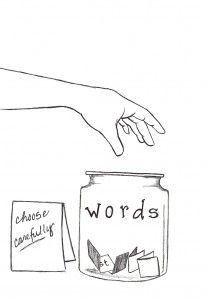
However, we recognize that language is powerful, and that the language we choose to employ when discussing issues of this gravity— or of any gravity— is extremely important. It is crucial to our ethics to be intentional in our use language — ensuring that we do not unintentionally inflict harm, degrade or unfairly assign blame to victims.
All in all, the staff acknowledges how the tone and some of the language used caused offense and outrage among some of our readers, some of whom are past and current Graphic staff members. All members of the Pepperdine community are invited to submit opinion articles or Letters to the Editor, such as the letter from the alumna featured on the next page. We value and encourage discussion about issues important to our community.